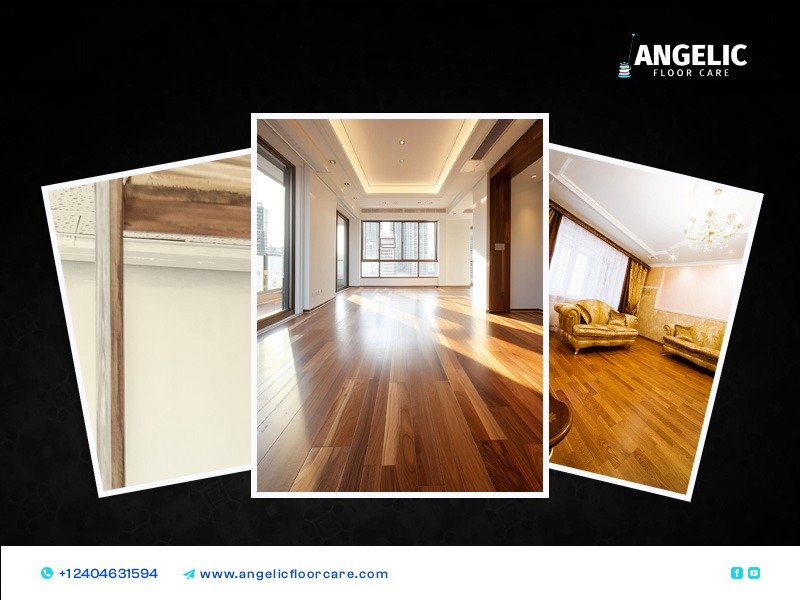
Floors with light scratches, dull traffic paths, or a faded finish don’t need full sanding to look new again.
Surface wear often sits in the top layer, not deep in the wood.
In most cases, hardwood floor refinishing in Harford replaces sanding when damage hasn’t reached the timber. Controlled cleaning removes embedded oils and residue. New coatings rebuild a sealed surface that stands up to everyday foot traffic and light scratches.
In a typical home, this finish can last several years. The result is even sheen, clearer grain, and no longer disruption.
When does this apply?
Preserving the Life of Your Hardwood Planks
Every hardwood plank has a fixed thickness. Sanding removes a layer each time, which limits how often you can repeat it.
Refinishing restores the top layer without cutting into the wood. That alone changes the long-term outcome. You preserve material, delay sanding, and extend how many times the floor can be restored.
Most homes allow light foot traffic within 24 hours of refinishing the hardwood floor. Full curing takes 3-5 days, depending on humidity and airflow.
The trade-off:
- Sanding route: fixes deep damage but removes wood and increases project time
- Refinishing route: keeps the wood intact, finishes faster, and avoids unnecessary material loss
In most homes, refinishing is the first option. Sanding only makes sense when damage reaches the wood.
If wear hasn’t exposed bare grain, refinishing is the correct choice.
This pattern shows up often in Harford floor refinishing in Maryland, where humidity swings and daily use make repeat sanding less practical over time.
The Adhesion Secret: How Professional Finishes Bond
Most finish failures don’t happen because of the product; they happen because the surface wasn’t prepared properly.
The new finish only sticks if it makes direct contact with the surface underneath. Oils, wax, and cleaning residue create a barrier that prevents proper bonding.
Professional refinishing starts with deep cleaning. It removes skin oils, leftover cleaning products, and fine debris from regular mopping. Even a thin residue layer can stop the finish from bonding and cause peeling within months.
This process uses three key elements:
- Molecular bridge agents: help the new coat attach to the old one
- Surface activation: prepares the old finish for bonding
- Cross-linking polymers: create a strong layer that handles foot traffic and cleaning
DIY coatings often skip this level of prep. That’s why they fail faster.
- Household finishes: often show wear or peeling within 6-12 months
- Commercial-grade finishes: typically last several years under normal use
For long-term durability, commercial-grade finishes are the better option.
In many Hardwood floor refinishing in Maryland projects, the bonding quality decides whether a finish fails in a year or holds up for several.
Visual Transformation: Controlling Sheen and Light
Natural light makes wear easy to spot. It highlights dull paths, uneven shine, and worn areas across the floor.
Refinishing evens out light reflection. It removes patchy glare, restores a consistent finish, and brings back the wood grain. Deeper scratches or color changes will still show.
Sheen affects how the floor performs over time:
- Matte: hides small scratches but can look flat in low light
- Satin: balances appearance and wear, making it the most practical choice
- Gloss: looks sharper but shows marks and surface wear more quickly
Satin is the safest choice for most homes. It keeps a clean look without increasing maintenance or highlighting every mark.
The Maryland Humidity Shield: Preventing Seasonal Gaps
Humidity in Maryland shifts through the year. Wood expands in humid conditions and shrinks in dry air. Over time, this movement creates gaps and stress in the floor.
A sealed surface slows moisture absorption. This reduces how much the planks expand and contract.
- Less swelling in humid months
- Fewer gaps in dry periods
- More stable alignment over time
Without protection, these cycles repeat and worsen. Gaps widen, and the floor becomes harder to maintain.
Here, hardwood floor refinishing in Harford does more than improve appearance. It helps control movement and reduces the need for repairs or full sanding later.
Conclusion: Professional Restoration Made Simple
When should you choose refinishing instead of sanding?
Start with refinishing when wear stays in the finish layer. It preserves the wood, avoids unnecessary material loss, and keeps future options open.
Move to sanding only when damage reaches the wood.
This approach changes how the floor ages. Instead of repeated sanding cycles, you maintain the surface and delay major work. Over time, that means fewer disruptions, lower long-term effort, and more consistent performance through seasonal changes.
Some movement will always happen. The goal is to control it, not eliminate it.